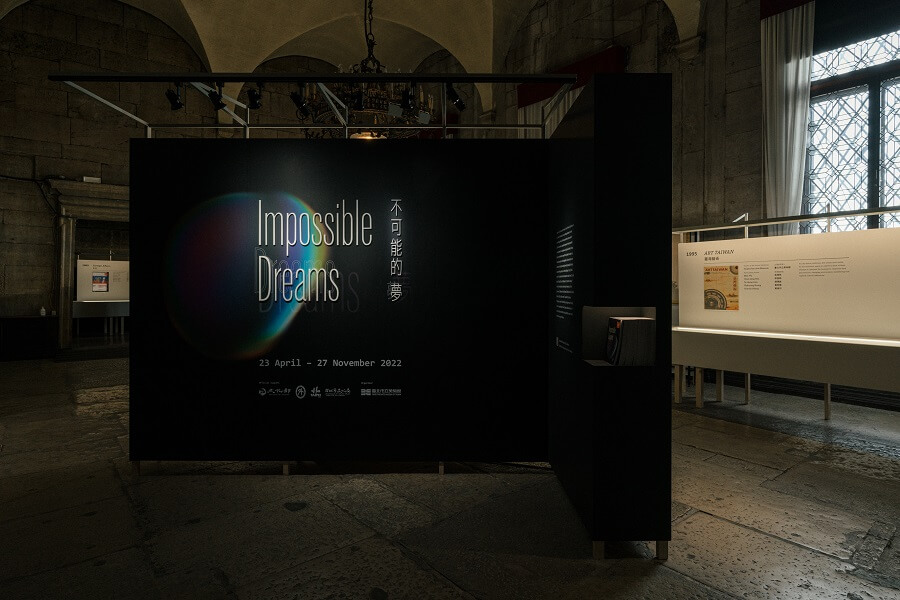




Impossible Dreams
Impossible means “not yet possible,” a description of a condition and a hope for better things, persons, and worlds to come. Just like dreams arising from trauma and bodies and spirits migrating across different realms, the project is a work of memory and conversation.
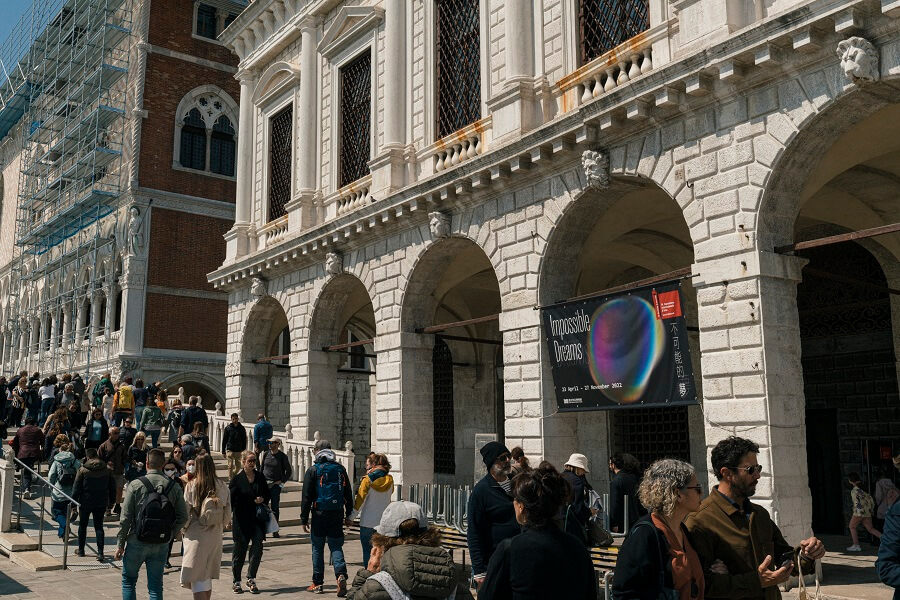
Ever since the opening of the Taiwan exhibition at the 46th Venice Biennale at the Palazzo delle Prigioni on April 21, 1995, Taiwan has organized 13 iterations of engaged and inspiring presence.
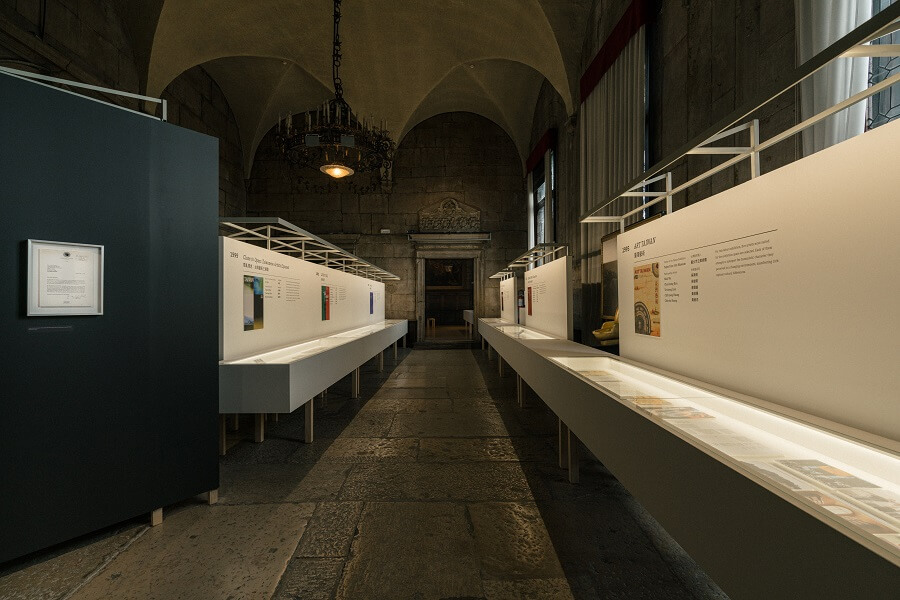
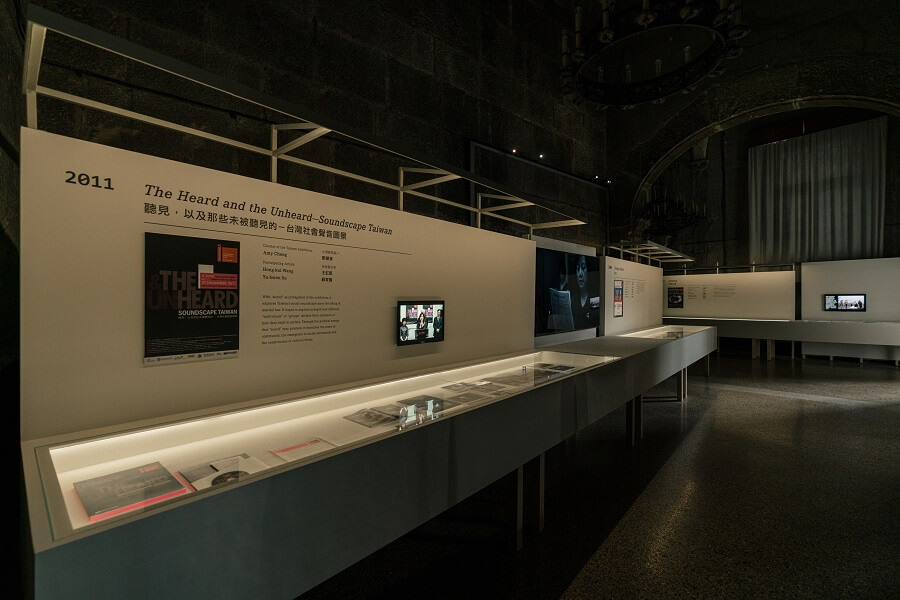
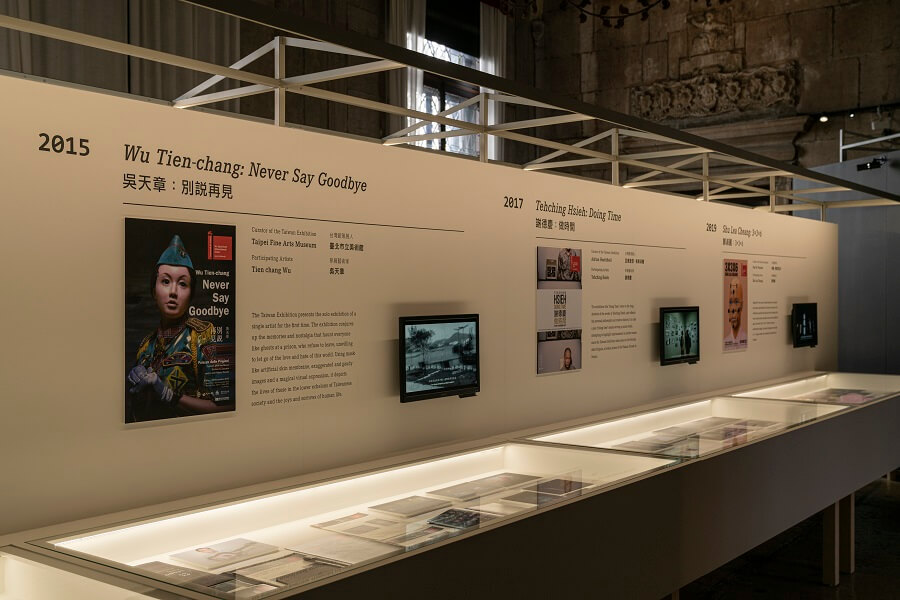
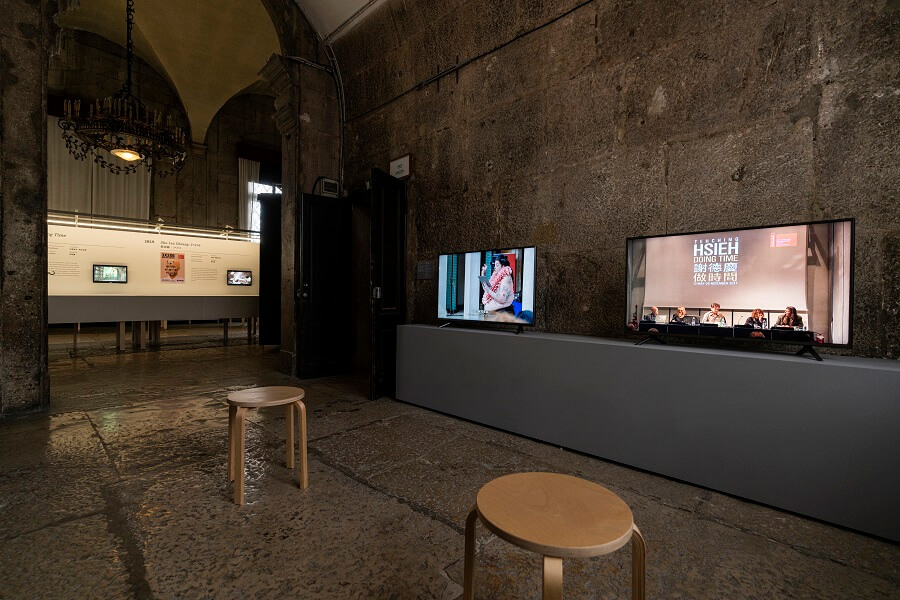
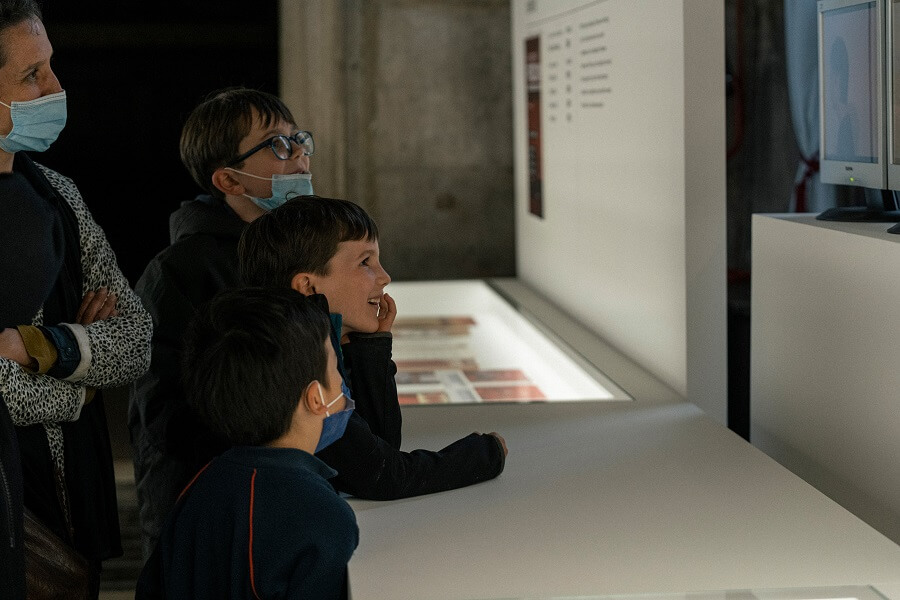
The exhibition moves across two sections: archival display and public events. The archival display and public events are meant to be viewed as interacting platforms, speaking to each other and prompted by each other’s materials. They are not separate curatorial initiatives but assemblies that address memory (archive) and presence (event), both sustaining a faith in the future.


Taiwan Exhibitions
臺灣館歷屆展覽介紹
-
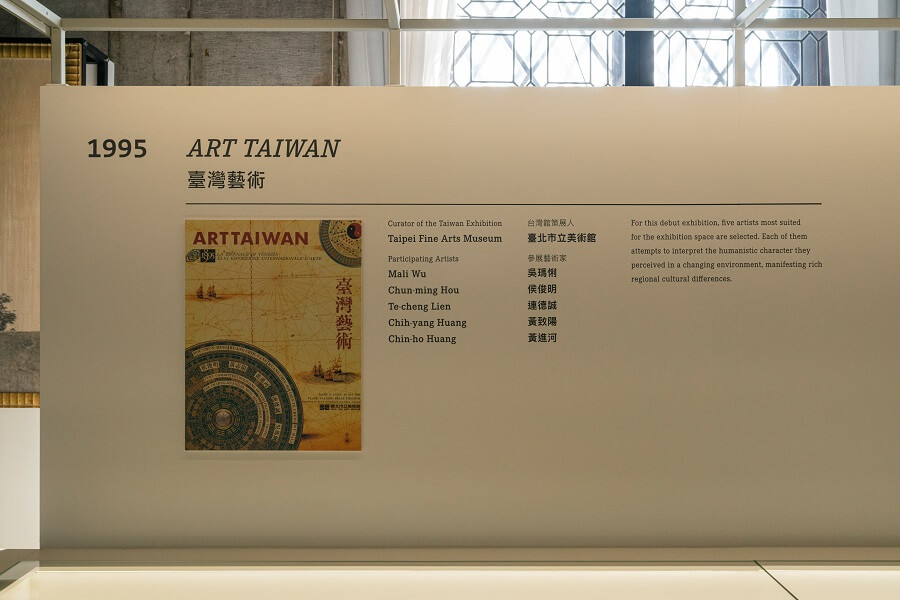
1995ART TAIWANFor this debut exhibition, five artists most suited for the exhibition space are selected.
-
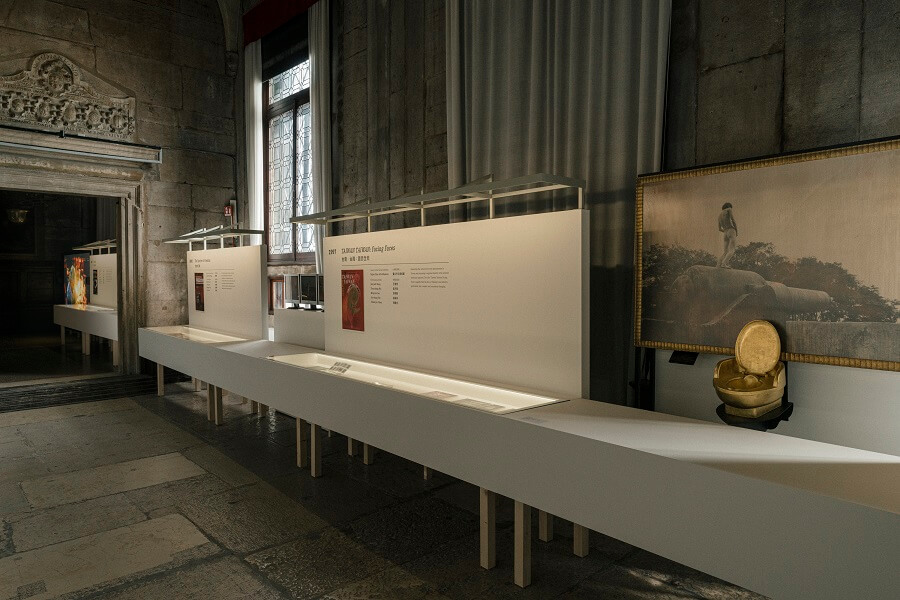
1997TAIWAN TAIWAN: Facing FacesExamining the cultural diversity phenomenon in Taiwan and proposing a regional identity with inherent modernist qualities.
-
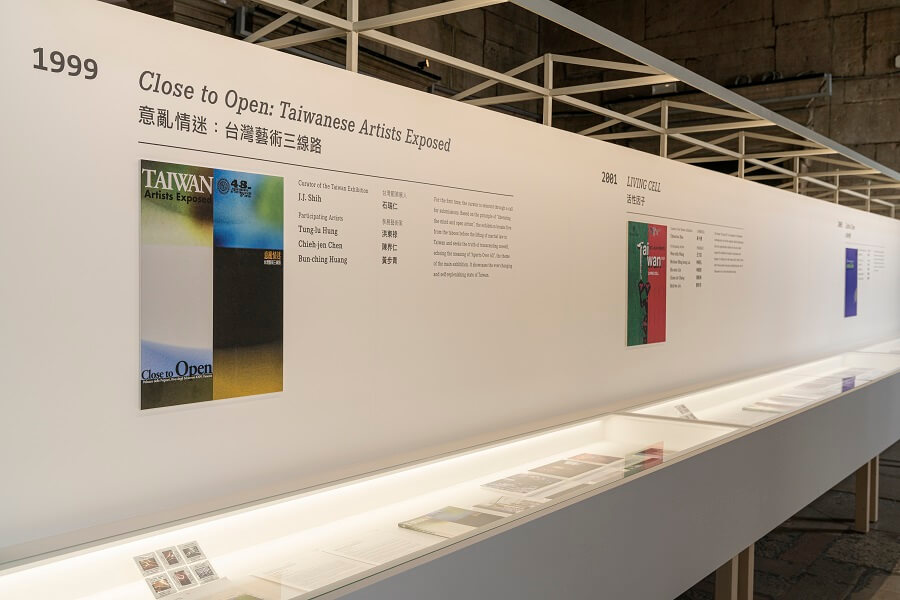
1999Close to Open: Taiwanese Artists ExposedFor the first time, the curator is selected through a call for submissions.
-
2001LIVING CELLThe theme “Living Cell” is a metaphor for Taiwanese contemporary art and the regional cultural phenomena.
-
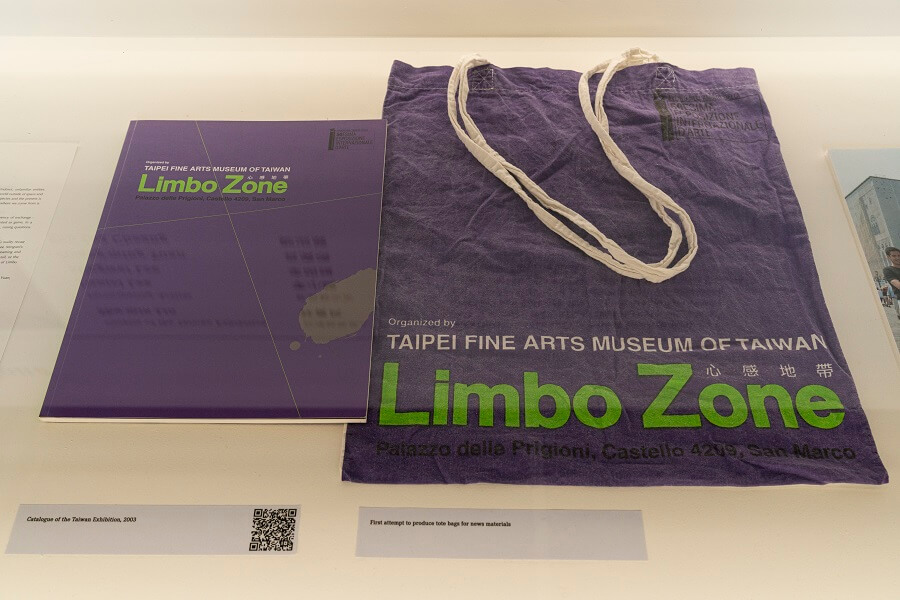
2003Limbo ZoneThe exhibition explores the unique psychological state of modern man.
-
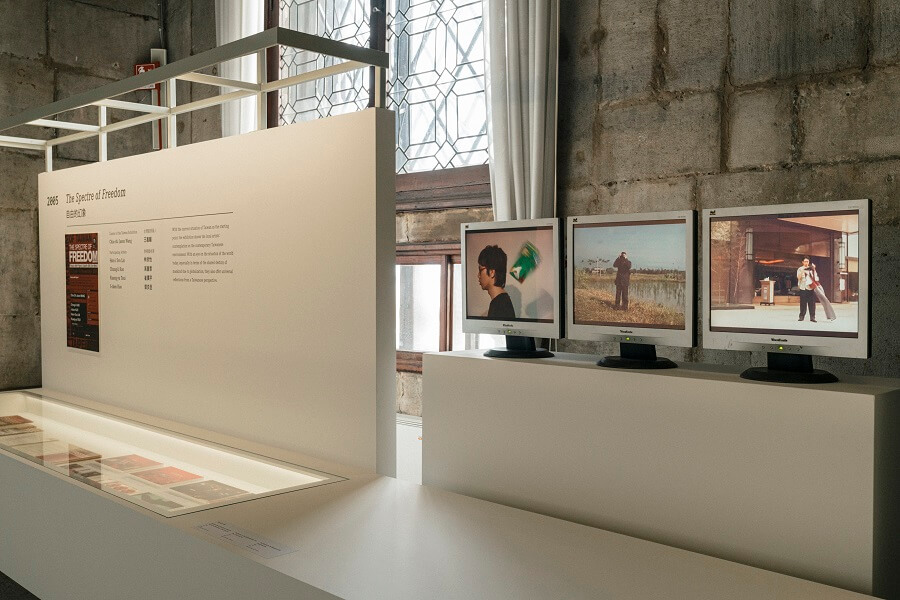
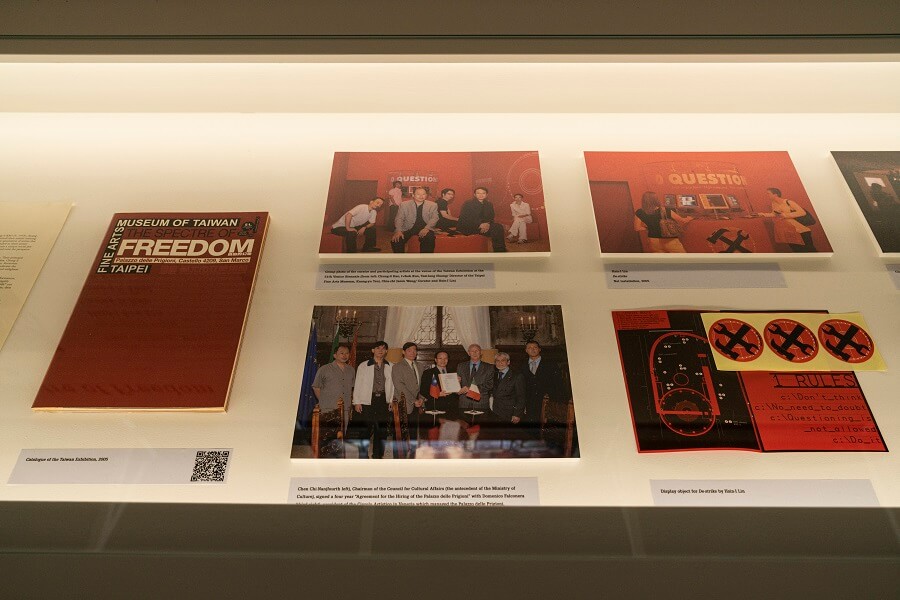
2005The Spectre of FreedomWith the current situation of Taiwan as the starting point, the exhibition shows the local artists’ contemplation on the contemporary Taiwanese environment.
-
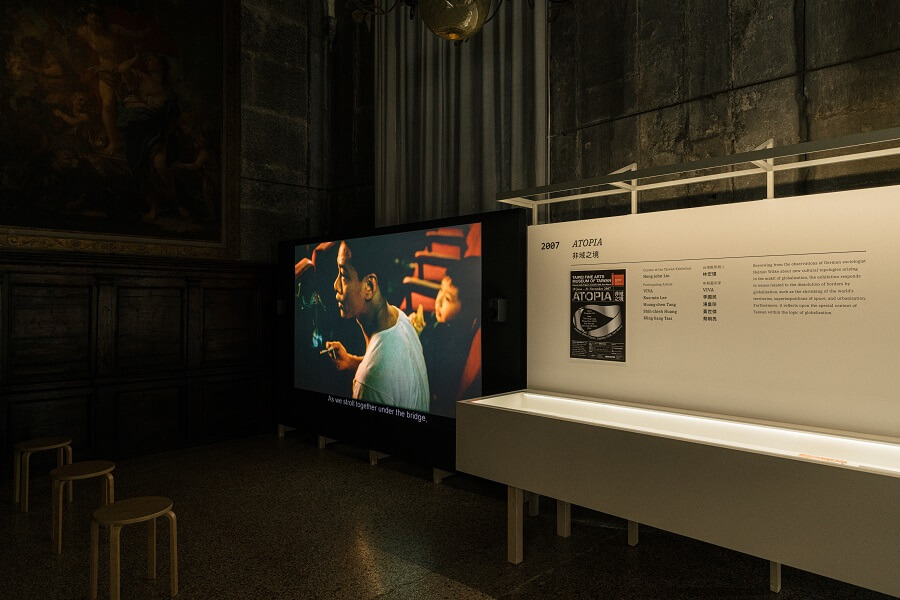
2007ATOPIABorrowing from the observations of German sociologist Helmut Wilke about new cultural topologies arising in the midst of globalization...
-
2009Foreign AffairsThe exhibition explores the practices of cross-regional/cross-disciplinary art in the context of globalization,...
-
2011The Heard and the Unheard-Soundscape TaiwanWith “sound” as protagonist of the exhibition, it explores Taiwan’s social soundscape since the lifting of martial law.
-
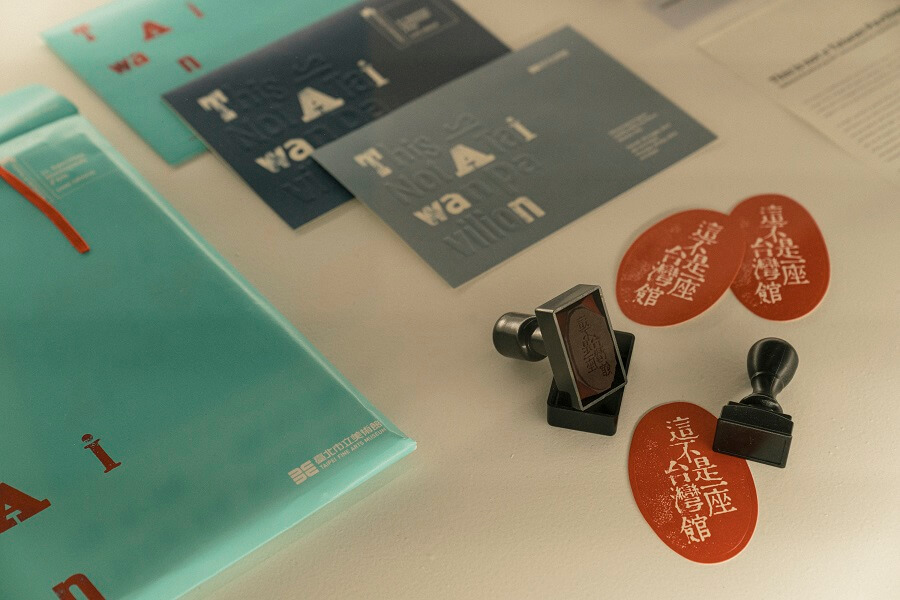
2013This is not a Taiwan PavilionThis exhibition reveals the paradox of the “Taiwan Pavilion” through a “speech act” that explores reality. Through the simple statement “This is not a Taiwan Pavilion”, it exposes how reality is constructed and created.
-
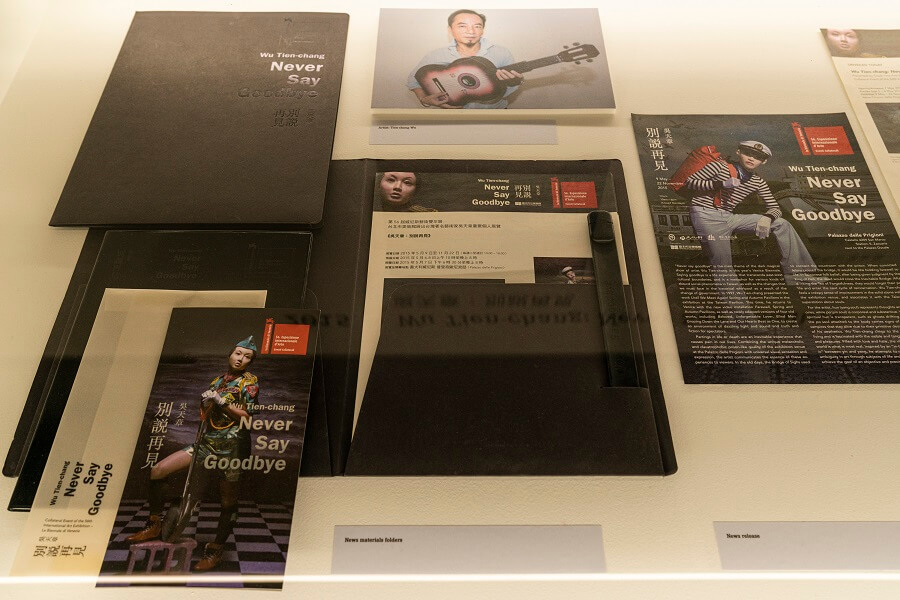
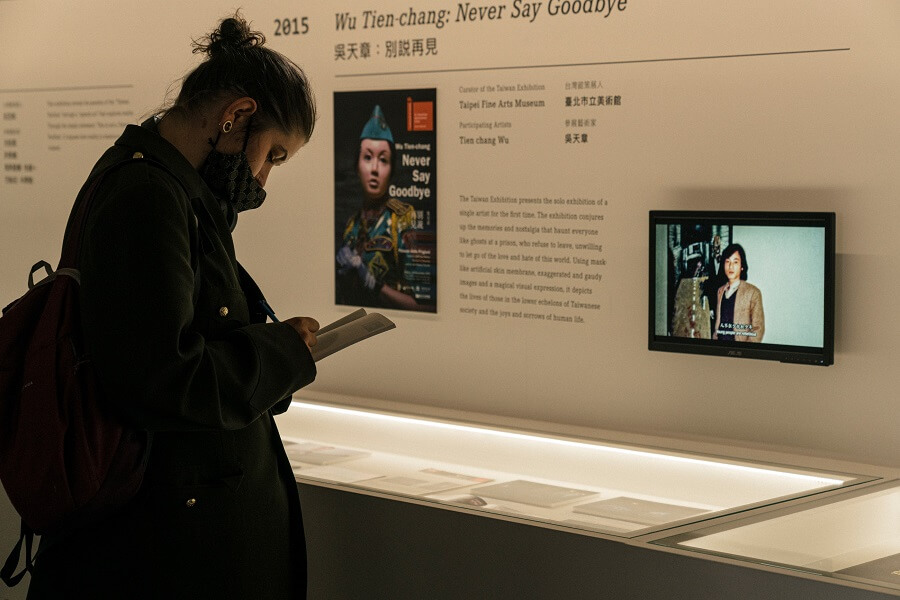
2015Wu Tien-chang: Never Say GoodbyeThe Taiwan Exhibition presents the solo exhibition of a single artist for the first time.
-
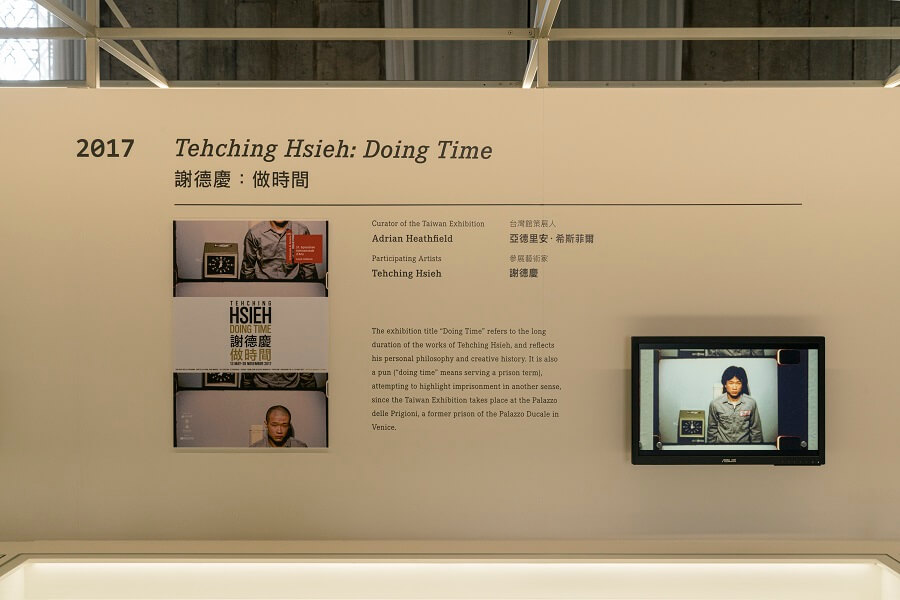
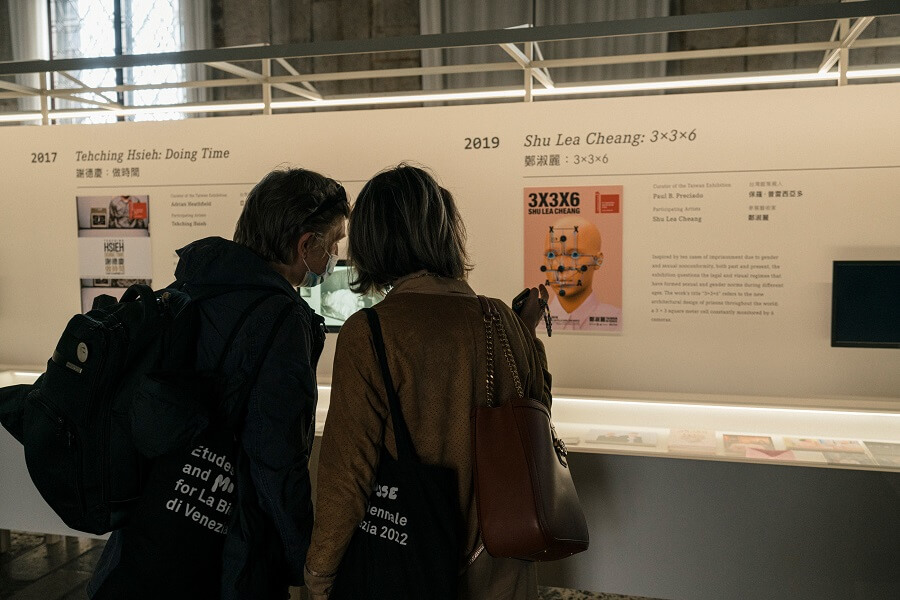
2017Tehching Hsieh: Doing TimeThe exhibition title “Doing Time” refers to the long duration of the works of Tehching Hsieh, and reflects his personal philosophy and creative history.
-
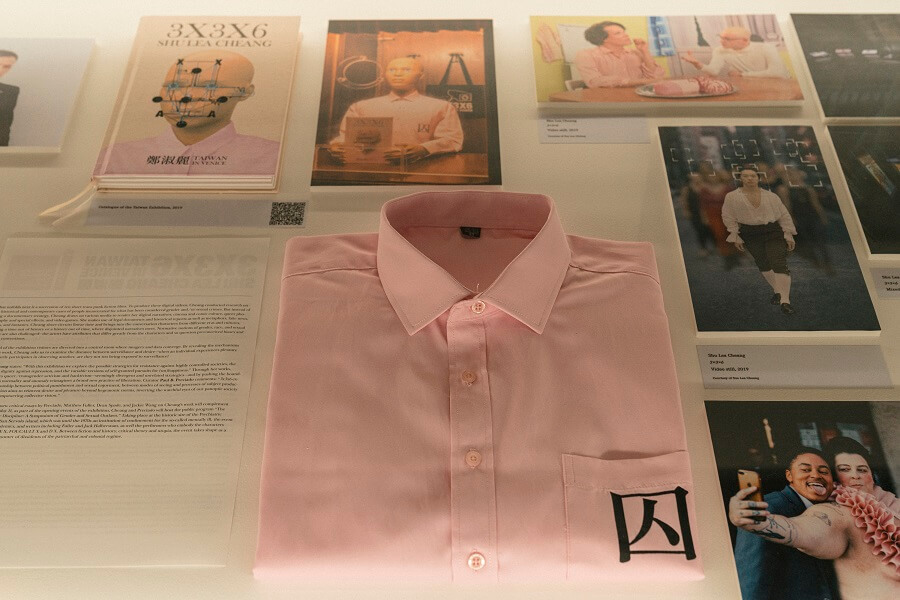
2019Shu Lea Cheang: 3x3x6Inspired by ten cases of imprisonment due to gender and sexual nonconformity, both past and present, the exhibition questions the legal and visual regimes that have formed sexual and gender norms during different ages.


Exhibition Location
參觀資訊
Opening Hours
- From 23 April to 25 September, 11am - 7pm
- From 27 September to 27 November, 10am - 6 pm
- Closed on Monday ( except Monday 25 April, 30 May, 27 June, 25 July, 15 August, 5 September, 19 September, 31 OCtober, 21 November )
- Preview: 20 to 22 April, 10 am- 8 pm
Press
General Inqueries
TEL
+886 (0)2-2595-7656
FAX
+886 (0)2-2585-1886

Palazzo delle Prigioni
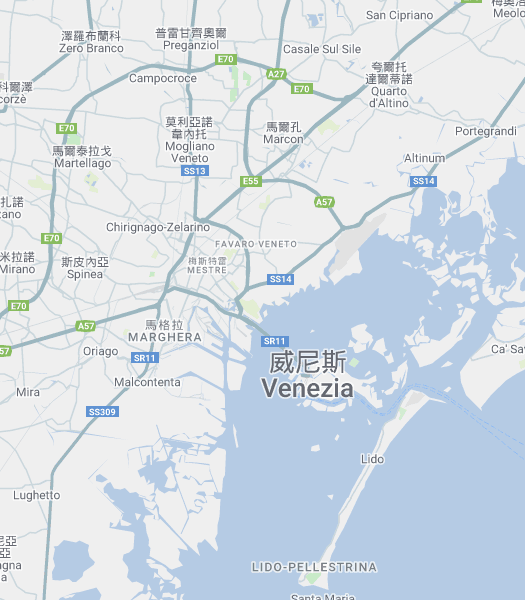
Castello 4209, San Marco, Venice, Italy