Loading
2026 61st International Art Exhibition — La Biennale di Venezia

SCROLL
Since we decided this exhibition would be called Screen Melancholy: Li Yi-Fan, we spoke at length about the many interpretations this sequence of words might evoke. Although the title was first conceived in Portuguese, we already knew that, once translated into English and Mandarin, its poetics would open space for new nuances. But which screens, after all, are we referring to? The immediate answer seems obvious: the very surface through which I write these words and through which audiences – across different formats, materials, and brands – will encounter part of Li Yi-Fan’s work. Yet these black-mirrored devices carry a long history that exceeds their current ubiquity: their genealogy extends from television to dark cinema theatres, through photography, and back to painting and Leon Battista Alberti’s famous 1450 metaphor of “painting as a window.”

ARTIST
LI YI-FAN
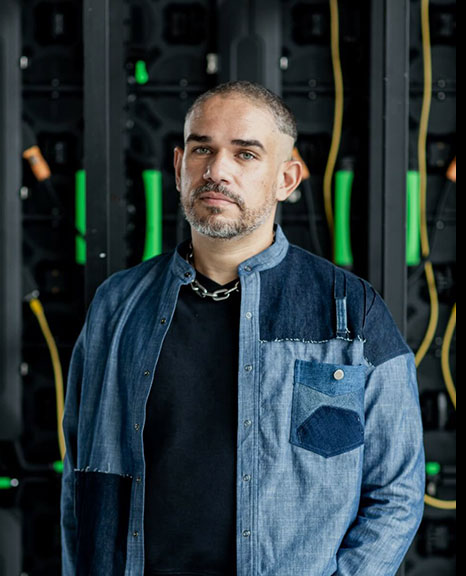
Born in Taipei, Taiwan, 1989. He holds a master’s degree in new media art from the National Taipei University of the Arts. Currently, he is an artist-in-residence at the Rijksakademie, Amsterdam. He has received notable art awards, including the Visual Arts Award at the 20th Taishin Arts Award (2022) and the Kaohsiung Award (2020), among others. Li has served as a resident artist and has exhibited his work worldwide, with works included in collections of domestic and international institutions. Li’s artistic practice incorporates sculpture, painting, projection mapping, and game engines, using a monologic approach to explore the relationship between humanity and technology. He also often highlights the interconnected dimensions of narrative, life, and media through the creative process of his art.
CURATOR
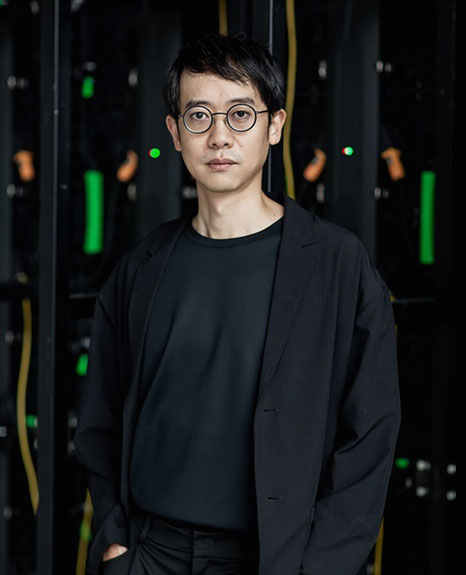
RAPHAEL FONSECA
Born in Rio de Janeiro, Brazil, currently based in Denver, USA. He is a curator and researcher interested in how images circulate across contexts and time periods, and in how artists engage with art history, fiction, resilience, humor, and pleasure. He is Curator and Head of Modern and Contemporary Latin American Art at the Denver Art Museum and holds a PhD in Art History and Criticism from the State University of Rio de Janeiro. Fonseca is part of the curatorial ensemble for the 3rd Counterpublic Triennial in St. Louis, United States (2026) and serves as co-artistic director of the 13th Sequences Biennial in Reykjavík, Iceland (2027). He was chief curator of the 14th Mercosul Biennial (2025) in Porto Alegre, Brazil, and co-curator of the 22nd Biennial SESC_Videobrasil (2023) in São Paulo, Brazil.
WORKS
Screen Melancholy 60min, 2026. Li Yi-Fan.
Screen Melancholy:Li Yi-Fan, 2026 © Li Yi-Fan. Courtesy of the artist and TFAM of Taiwan Collateral Event 2026
Screen Melancholy 60min, 2026. Li Yi-Fan.
Screen Melancholy:Li Yi-Fan, 2026 © Li Yi-Fan. Courtesy of the artist and TFAM of Taiwan Collateral Event 2026
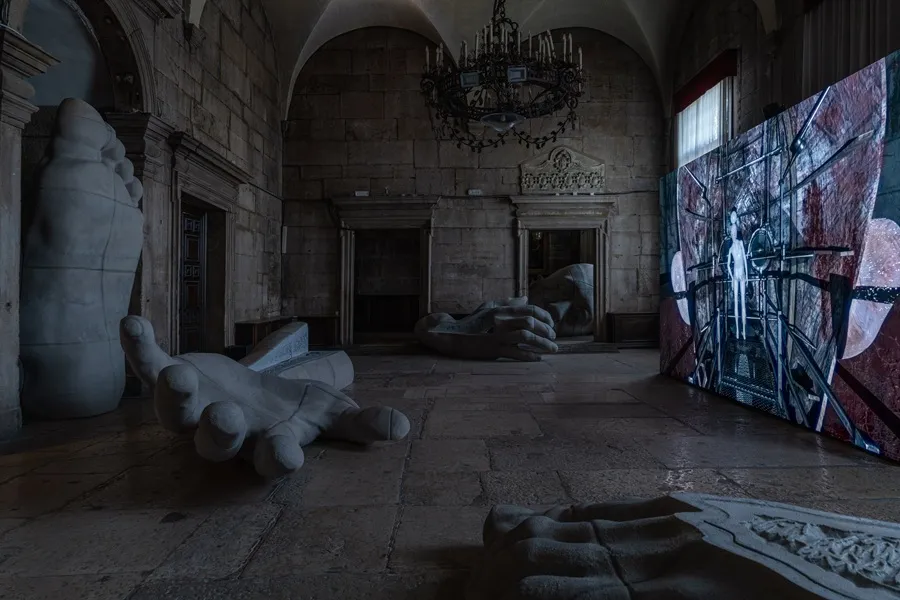
Screen Melancholy 60min, 2026. Li Yi-Fan.
Screen Melancholy:Li Yi-Fan, 2026 © Li Yi-Fan. Courtesy of the artist and TFAM of Taiwan Collateral Event 2026
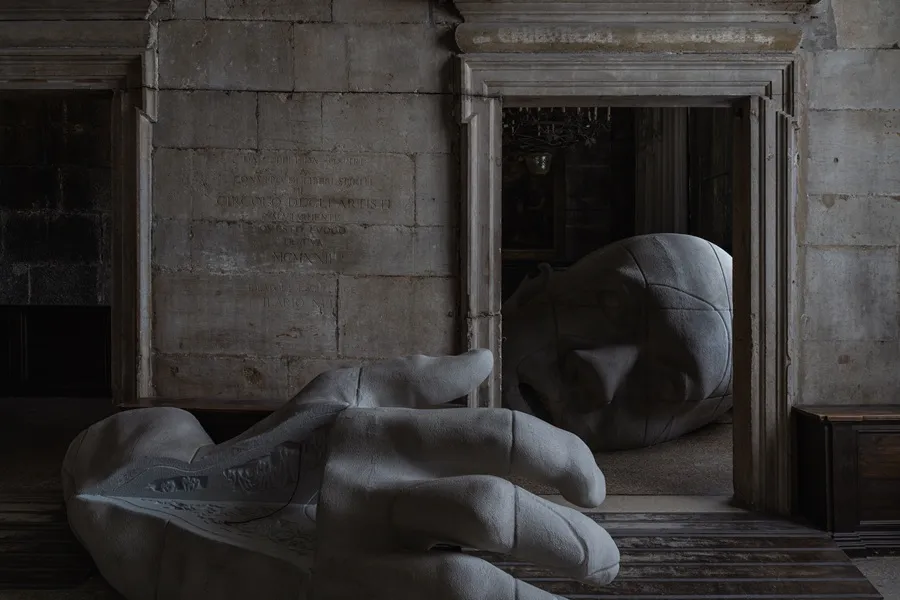
Screen Melancholy 60min, 2026. Li Yi-Fan.
Screen Melancholy:Li Yi-Fan, 2026 © Li Yi-Fan. Courtesy of the artist and TFAM of Taiwan Collateral Event 2026
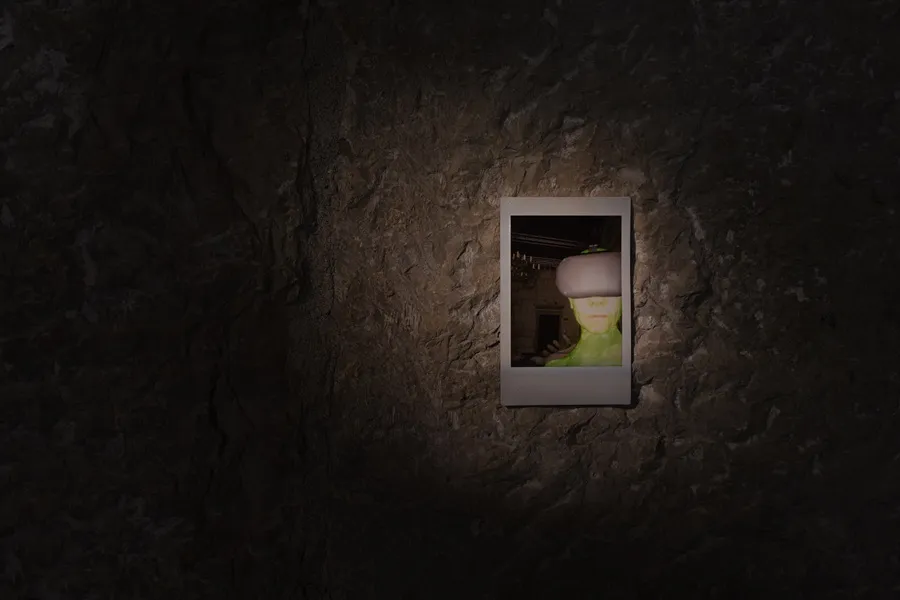
Screen Melancholy 60min, 2026. Li Yi-Fan.
Screen Melancholy:Li Yi-Fan, 2026 © Li Yi-Fan. Courtesy of the artist and TFAM of Taiwan Collateral Event 2026
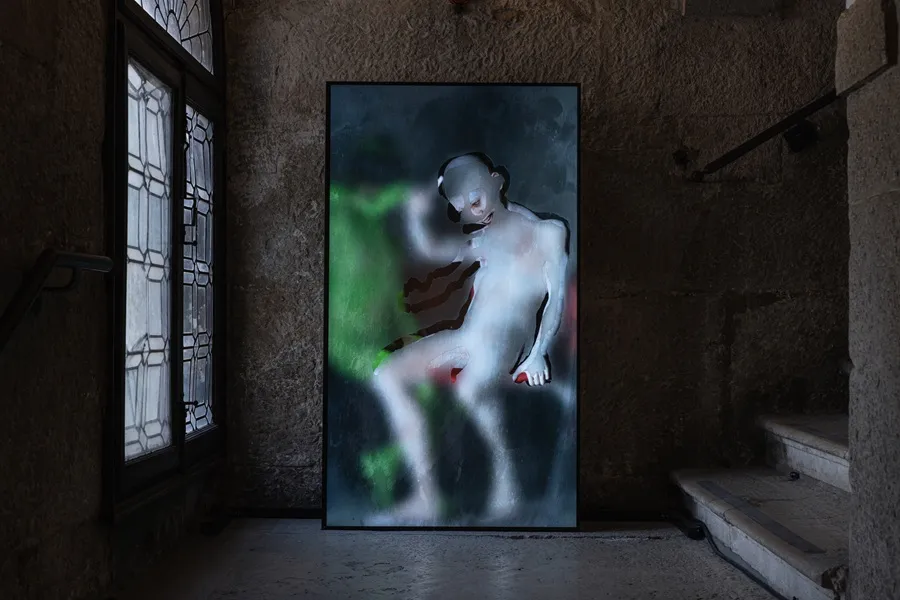
Screen Melancholy 60min, 2026. Li Yi-Fan.
Screen Melancholy:Li Yi-Fan, 2026 © Li Yi-Fan. Courtesy of the artist and TFAM of Taiwan Collateral Event 2026
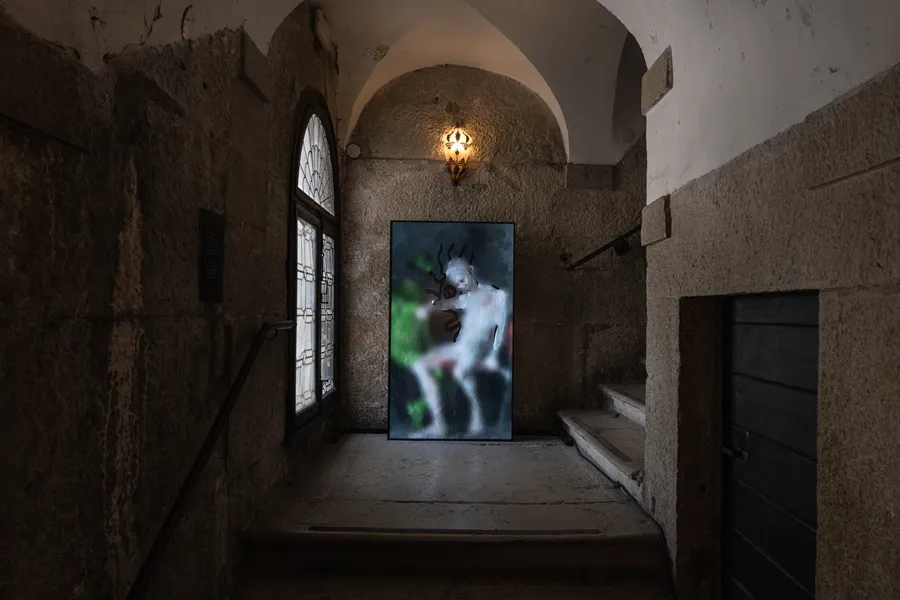
Screen Melancholy 60min, 2026. Li Yi-Fan.
Screen Melancholy:Li Yi-Fan, 2026 © Li Yi-Fan. Courtesy of the artist and TFAM of Taiwan Collateral Event 2026
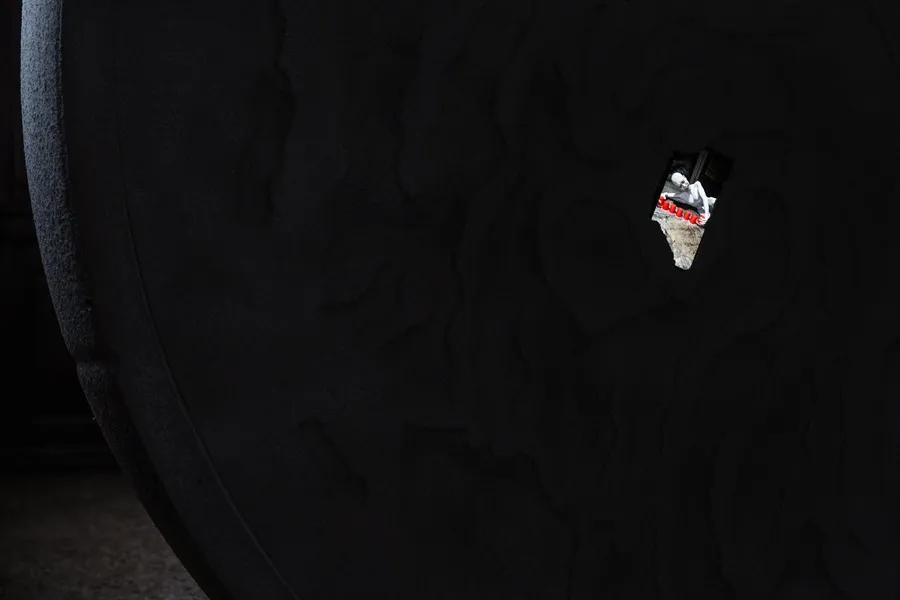
Screen Melancholy 60min, 2026. Li Yi-Fan.
Screen Melancholy:Li Yi-Fan, 2026 © Li Yi-Fan. Courtesy of the artist and TFAM of Taiwan Collateral Event 2026
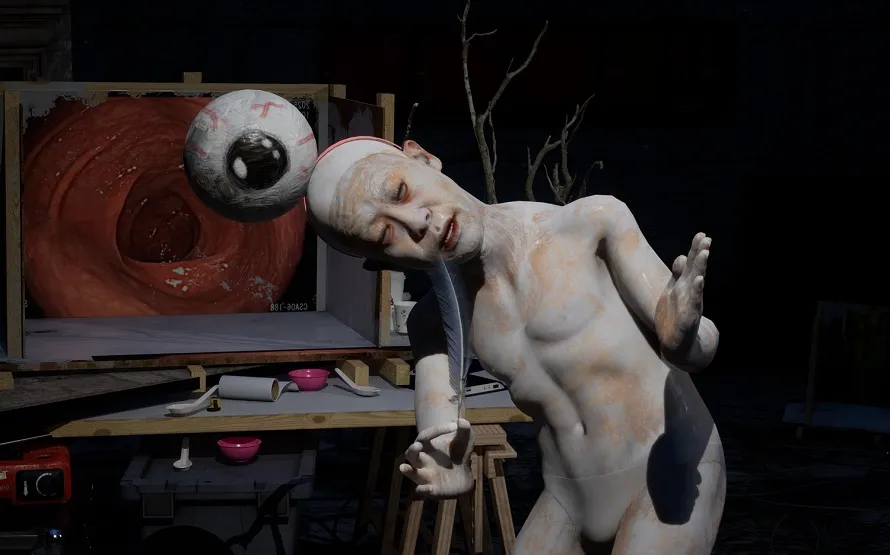
Screen Melancholy 60min, 2026. Li Yi-Fan.
Screen Melancholy:Li Yi-Fan, 2026 © Li Yi-Fan. Courtesy of the artist and TFAM of Taiwan Collateral Event 2026
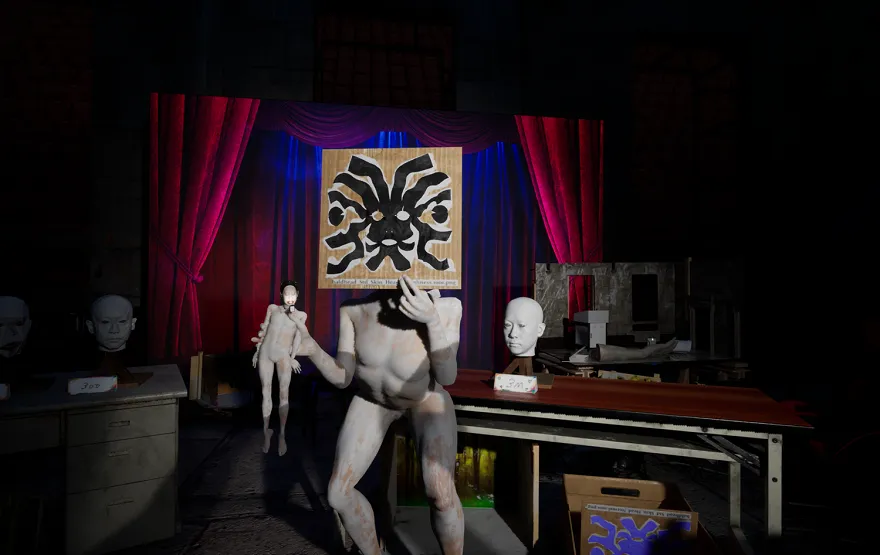
Screen Melancholy 60min, 2026. Li Yi-Fan.
Screen Melancholy:Li Yi-Fan, 2026 © Li Yi-Fan. Courtesy of the artist and TFAM of Taiwan Collateral Event 2026
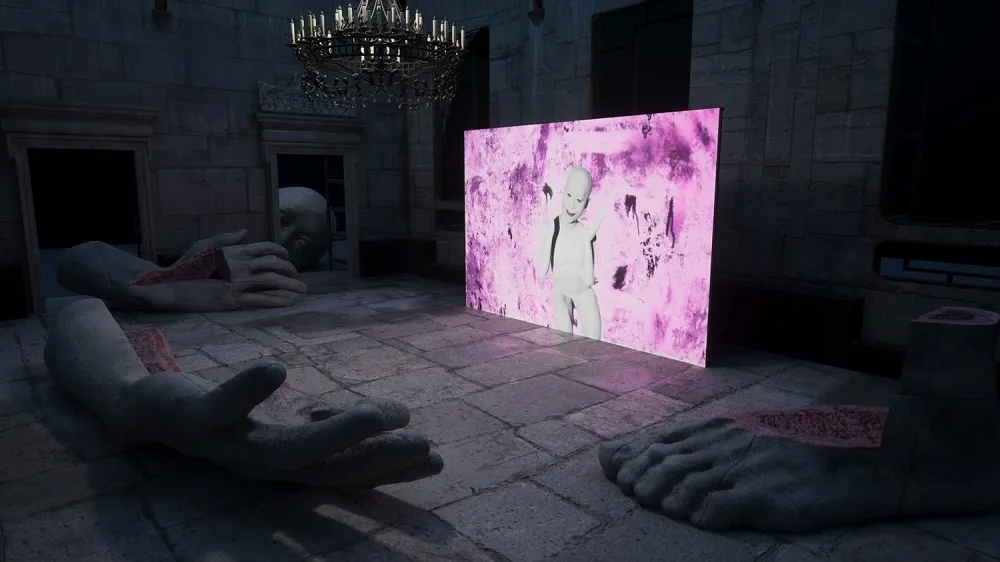
Screen Melancholy 60min, 2026. Li Yi-Fan.
Screen Melancholy:Li Yi-Fan, 2026 © Li Yi-Fan. Courtesy of the artist and TFAM of Taiwan Collateral Event 2026
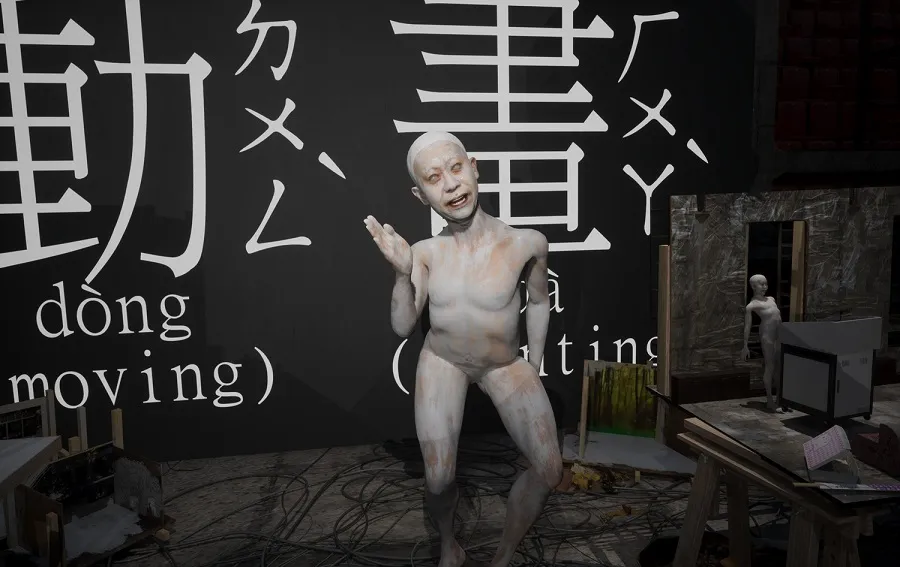
Screen Melancholy 60min, 2026. Li Yi-Fan.
Screen Melancholy:Li Yi-Fan, 2026 © Li Yi-Fan. Courtesy of the artist and TFAM of Taiwan Collateral Event 2026
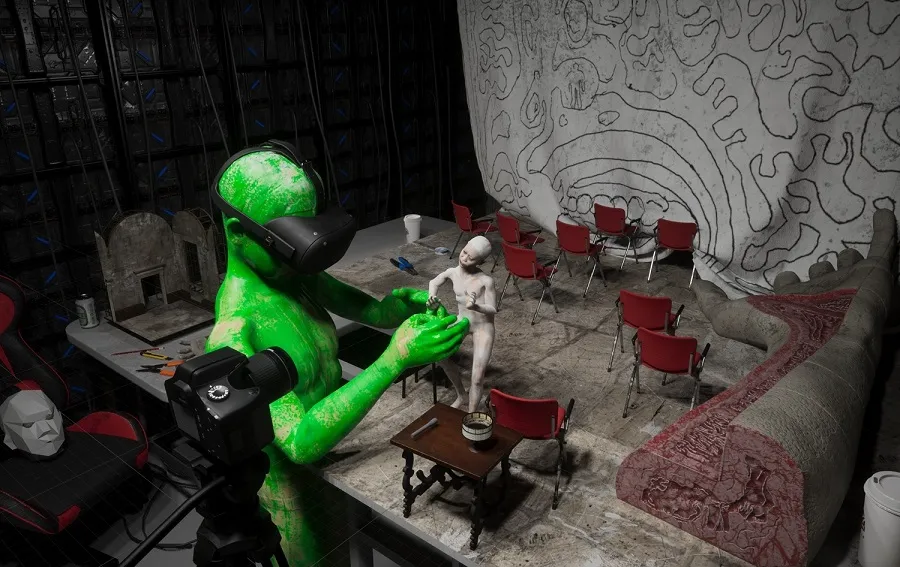
Screen Melancholy 60min, 2026. Li Yi-Fan.
Screen Melancholy:Li Yi-Fan, 2026 © Li Yi-Fan. Courtesy of the artist and TFAM of Taiwan Collateral Event 2026
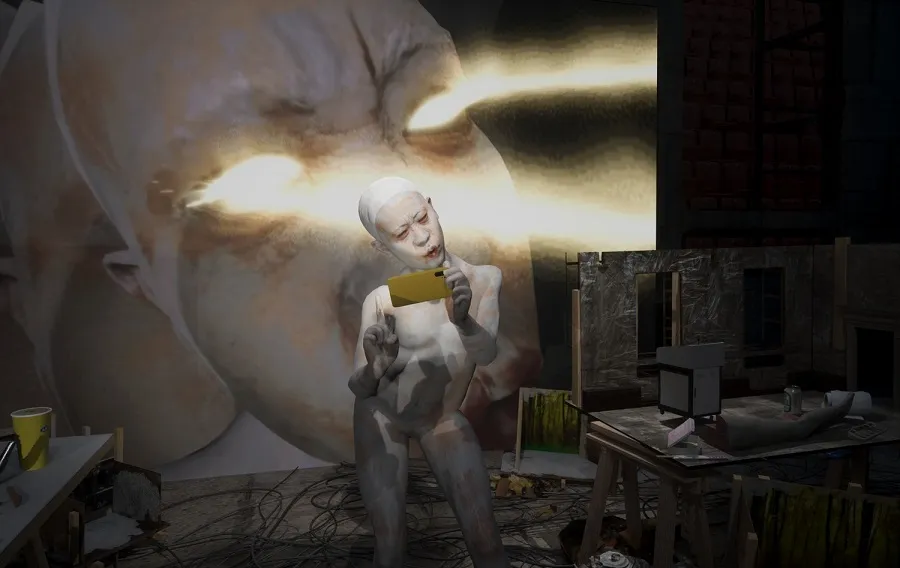
Screen Melancholy 60min, 2026. Li Yi-Fan.
Screen Melancholy:Li Yi-Fan, 2026 © Li Yi-Fan. Courtesy of the artist and TFAM of Taiwan Collateral Event 2026
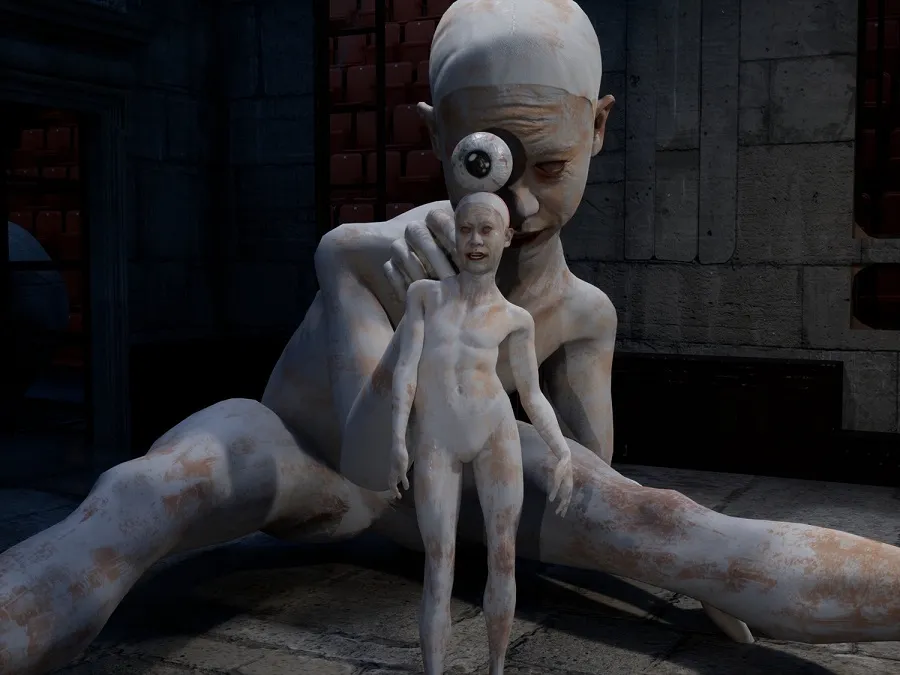
Screen Melancholy is my third work using game engines for image creation. It explores the complex, layered relationship between individuals and “images” in the visual-first generation. This relationship encompasses how people receive and create images. Through the character in the video, I encourage viewers to “learn how to make animation!” As a cautionary warning, it suggests that understanding how images are produced is essential to grasp the power mechanism behind them. Ironically, these profound truths about images are expressed through the very medium of images. While the philosophical-sounding statements are delivered with such sincerity, the character comes across as rather mischievous. The obscure knowledge in the work resembles that of Wikipedia or content farms, leaving viewers unsure where to place their gaze. This feels like a private game between me and the audience.
TEAM
Exhibition
Promoted and organized by Taipei Fine Arts Museum, Taiwan
Curator: Raphael Fonseca
Artist: Li Yi-Fan
Studio Manager: Chen Hsiang-Wen
Director: Li-Chen Loh
Chief Curator: Chien Cheng-Yi
Exhibition Coordinator: Agiluf Chen, Kao Ju-Hsuan
Exhibition Assistance: Tsai Hsin-Pei
Exhibition Design Assistance: Hanyu Chih, Chien Bo-Hsin
Public Relations Coordinator: Kao Tzu-Chin, Daisy Tian-Rong Shiou, Ho Hsuan-Hsuan
Social Media Coordinator: Wang Yi-Hsin, Lin Yu-Hsin
Website Coordinator: Chou Yan-Ju
Website Design: Quack
Curator: Raphael Fonseca
Artist: Li Yi-Fan
Studio Manager: Chen Hsiang-Wen
Director: Li-Chen Loh
Chief Curator: Chien Cheng-Yi
Exhibition Coordinator: Agiluf Chen, Kao Ju-Hsuan
Exhibition Assistance: Tsai Hsin-Pei
Exhibition Design Assistance: Hanyu Chih, Chien Bo-Hsin
Public Relations Coordinator: Kao Tzu-Chin, Daisy Tian-Rong Shiou, Ho Hsuan-Hsuan
Social Media Coordinator: Wang Yi-Hsin, Lin Yu-Hsin
Website Coordinator: Chou Yan-Ju
Website Design: Quack
Graphic Designer: Sample Animal
Photographer: Lin Guan-Ming, Chen Yung-Jen, Tsao Yi-Wen, Chen Hung-Tu
AV Technician, Lighting: Manifesto Production (Kuo Yi-Hsuan, Lin Pei-Hsin,
Lee I-Ting, Feng Zi-Ming, He Yu-Wei, Hsieh Meng-Che)
Photographer: Lin Guan-Ming, Chen Yung-Jen, Tsao Yi-Wen, Chen Hung-Tu
AV Technician, Lighting: Manifesto Production (Kuo Yi-Hsuan, Lin Pei-Hsin,
Lee I-Ting, Feng Zi-Ming, He Yu-Wei, Hsieh Meng-Che)
Works
3D Model: Jeci Chen, Su Po-Jui
Sound Design: Hung Tzu-Ni, Mothra Productions
Subtitle: Chen Cheng-Wei
Sculptural Fabrication: Perkūnas Studio
Illustration: Yen Yu-Ting
Graphic Design: Yu Wei
Sound Design: Hung Tzu-Ni, Mothra Productions
Subtitle: Chen Cheng-Wei
Sculptural Fabrication: Perkūnas Studio
Illustration: Yen Yu-Ting
Graphic Design: Yu Wei
PUBLIC PROGRAMS
Behind the Scenes of Screen Melancholy: Li Yi-Fan / Collateral Event of the 61st International Art Exhibition, La Biennale di Venezia
Screen Melancholy, the Collateral Event of the 61st International Art Exhibition, La Biennale di Venezia, features work by Taiwanese artist Li Yi-Fan and is curated by Raphael Fonseca, curator of visual arts at Culturgest, Lisbon and Porto, Portugal. Drawing on the art-historical notion of “melancholy,” the exhibition extends this concept into the contemporary digital environment, reflecting on the anxieties and emotions that screens engender.
This public talk features artist Li Yi-Fan sharing insights into his artistic practice, his experience at the Venice Biennale, and observations from the exhibition site. Members of the TFAM team will also offer a behind-the-scenes look at the making of the Taiwan Pavilion. From the challenges of exhibition making to the ways in which the project engages with the global contemporary art scene, the talk aims to provide audiences with a deeper understanding of the exhibition and its broader context.
TIME
Sunday, June 14, 2:00–3:30 PM
VENUE
Library and Archives Center, B1, Taipei Fine Arts Museum
MODERATOR
Hsiang-Wen Chen Independent Curator
SPEAKERS
Li Yi-Fan Artist
Chien Cheng-Yi Head of the Exhibition Planning Department, Taipei Fine Arts Museum
Kao Tzu-Chin Head of the Marketing and Communications Department, Taipei Fine Arts Museum
Chien Cheng-Yi Head of the Exhibition Planning Department, Taipei Fine Arts Museum
Kao Tzu-Chin Head of the Marketing and Communications Department, Taipei Fine Arts Museum
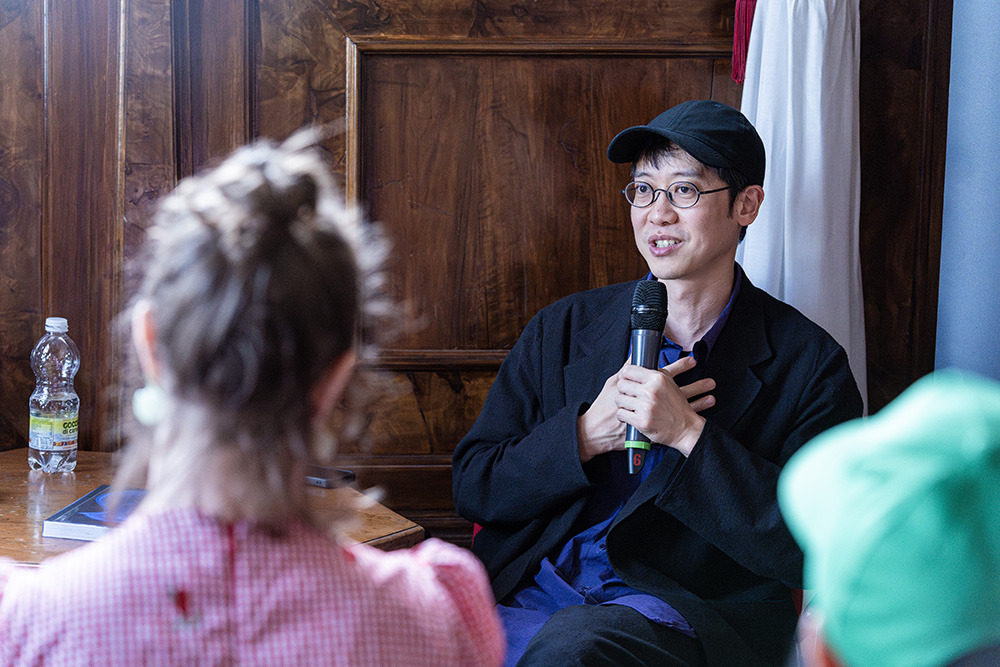
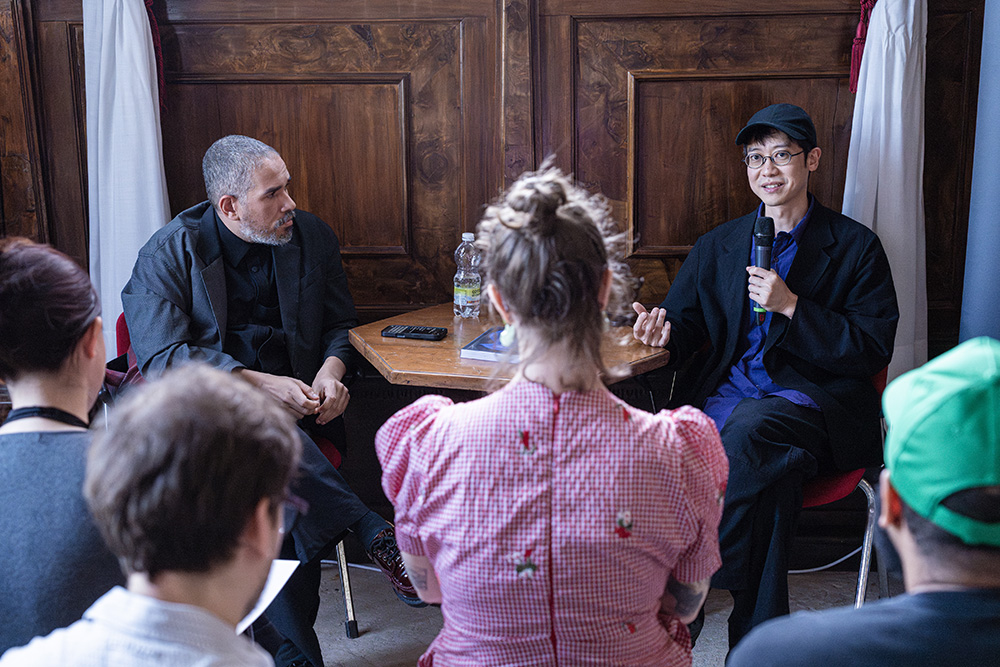
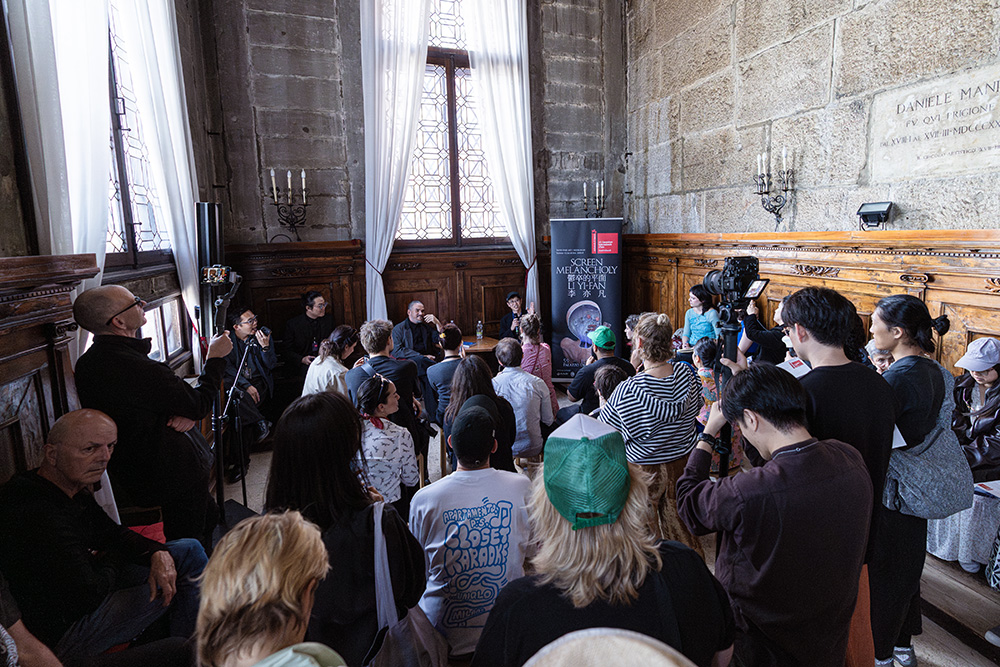
The public programs of Screen Melancholy: Li Yi-Fan begin with a conversation between the artist, the curator, and the audience, addressing the creative process and the decisions involved in the conception of the exhibition. In addition, drawing on Li Yi-Fan’s research interests in puppetry, control, movement, and the human body, we chose to expand the exhibition beyond its video and sculptural formats into a live program.
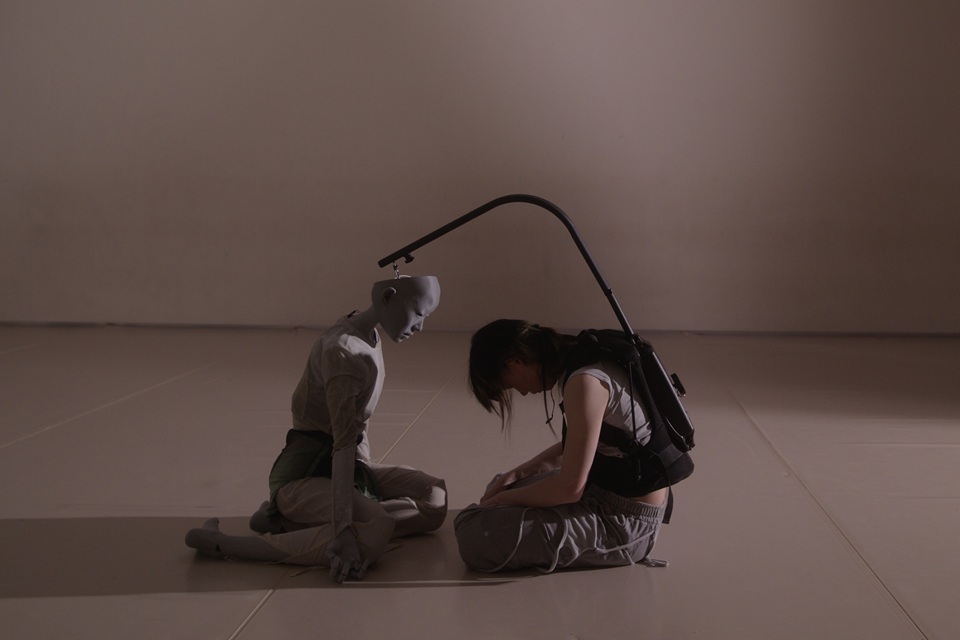
Rather than positioning the artist once again as the protagonist, we invited South Korean artist Eunju Hong to present a performance in dialogue with Li’s exhibition. She seemed devastated, when I was weeping with joy is a performance developed by Hong in 2024 and previously presented in Germany and South Korea. In the work, a performer has their body attached to a doll and, in response to the specific space in which the performance takes place, explores a series of movements. These unfold as a choreography that shifts from silence and introspection to rapid gestures that suggest a trajectory toward destruction.
Unaware of what will follow, the audience witnesses – physically and materially – a situation that recalls the processes of 3D scanning and image capture present in Li Yi-Fan’s work. While his videos often display a tendency toward a form of nihilistic humor, Hong’s performance privileges close attention to movement and silence. Through different yet analogous approaches, both artists engage with questions of life, bodily movement, melancholy, and duplicity in contemporary culture.
PUBLIC TALK
7 May 2026, 4pm – 5pm
SPEAKERS
Li Yi-Fan exhibition artist
Raphael Fonseca exhibition curator
Raphael Fonseca exhibition curator
PERFORMANCES
Live Performances - “She seemed devastated, when I was weeping with joy”
 7 May 2026, 5pm (after the talk)
8 May 2026, 5pm
9 May 2026, 5pm
7 May 2026, 5pm (after the talk)
8 May 2026, 5pm
9 May 2026, 5pm
ARTISTS
Eunju Hong concept & direction
Isu Kim Lee performer
Isu Kim Lee performer
Eunju Hong, She seemed devastated when I was weeping with Joy (video still), 2025, performance, 30mins. Courtesy of the artist.
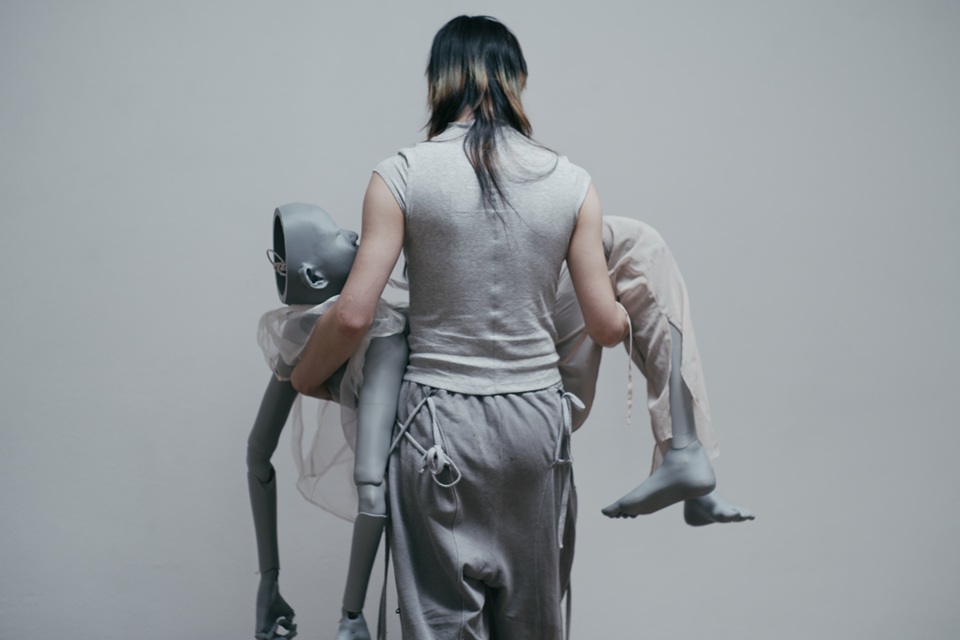
Eunju Hong, She seemed devastated when I was weeping with Joy (video still), 2025, performance, 30mins. Courtesy of the artist.
EXHIBITION
LOCATION

Palazzo delle Prigioni
Castello 4209, San Marco, Venice, Italy
-
Open Hours
From 9 May to 30 September, 11 am – 7 pm
From 1 October to 22 November, 10 am – 6 pm -
Closed on Mondays
(except Monday 11 May and 16 November) -
Pre-opening
6 to 8 May, 10 am – 8 pm
TAIPEI FINE ARTS
MUSEUM
Founded in 1983, Taipei Fine Arts Museum (TFAM) is Taiwan’s first museum of modern and contemporary art in Taiwan. Venturing into its 43rd year, TFAM has dedicated itself to the development of local artists in Taiwan while staying abreast of ongoing trends in international art scenes. It has pioneered the biennial trends for the region and overseen the operations of the Taipei Biennial since 1998, and the participation as Collateral Event at the International Art Exhibition – La Biennale di Venezia since 1995, coloring its visions with stronger overtones of global strategy.

PRODUCT
-
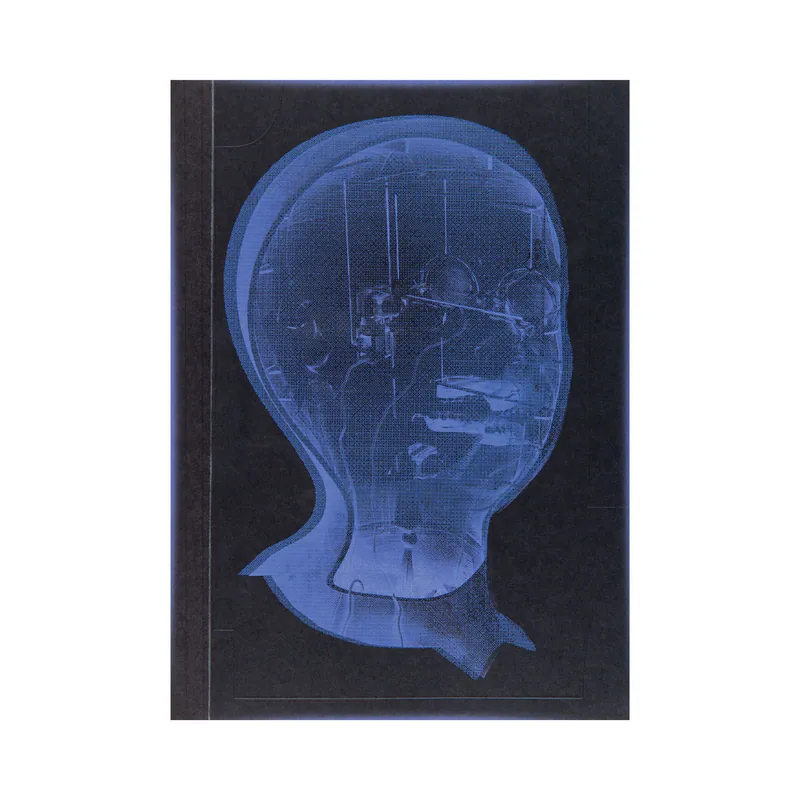
![Screen Melancholy: Li Yi-Fan]() Screen Melancholy: Li Yi-FanThe official exhibition publication accompanying Screen Melancholy: Li Yi-Fan at the Taiwan Pavilion of the 2026 Venice Biennale.
Screen Melancholy: Li Yi-FanThe official exhibition publication accompanying Screen Melancholy: Li Yi-Fan at the Taiwan Pavilion of the 2026 Venice Biennale. -
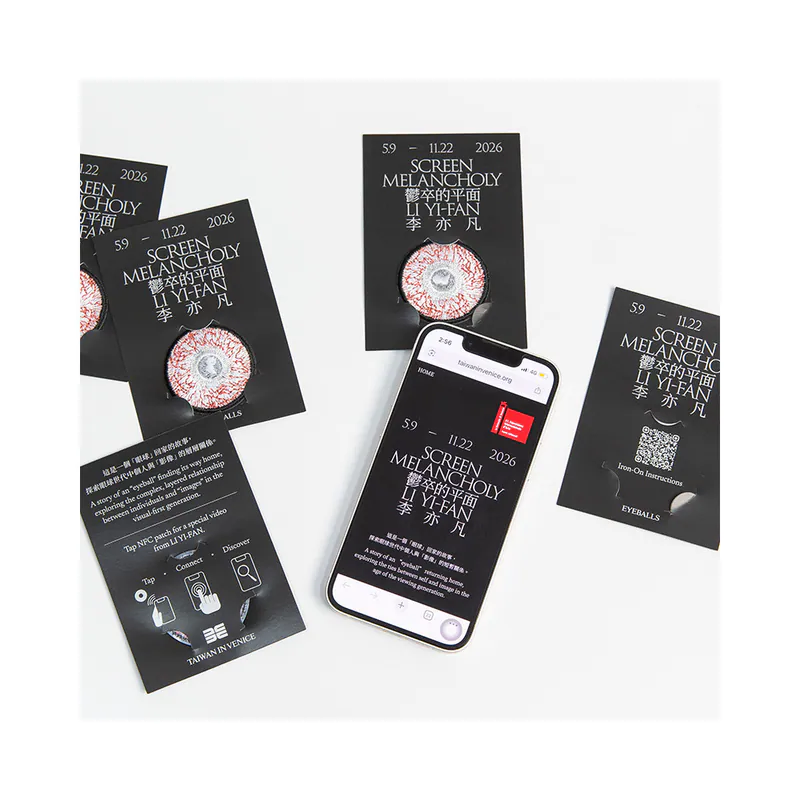
![Screen Melancholy NFC Eyeball Tag]() Screen Melancholy | NFC Eyeball TagAn iron-on NFC patch — tap to unlock a special video from Li Yi-Fan and connect with the exhibition.
Screen Melancholy | NFC Eyeball TagAn iron-on NFC patch — tap to unlock a special video from Li Yi-Fan and connect with the exhibition. -
![Screen Melancholy Cap]() Screen Melancholy Cap"Screen Melancholy" cap, available in purple and black.
Screen Melancholy Cap"Screen Melancholy" cap, available in purple and black.

BROCHURE
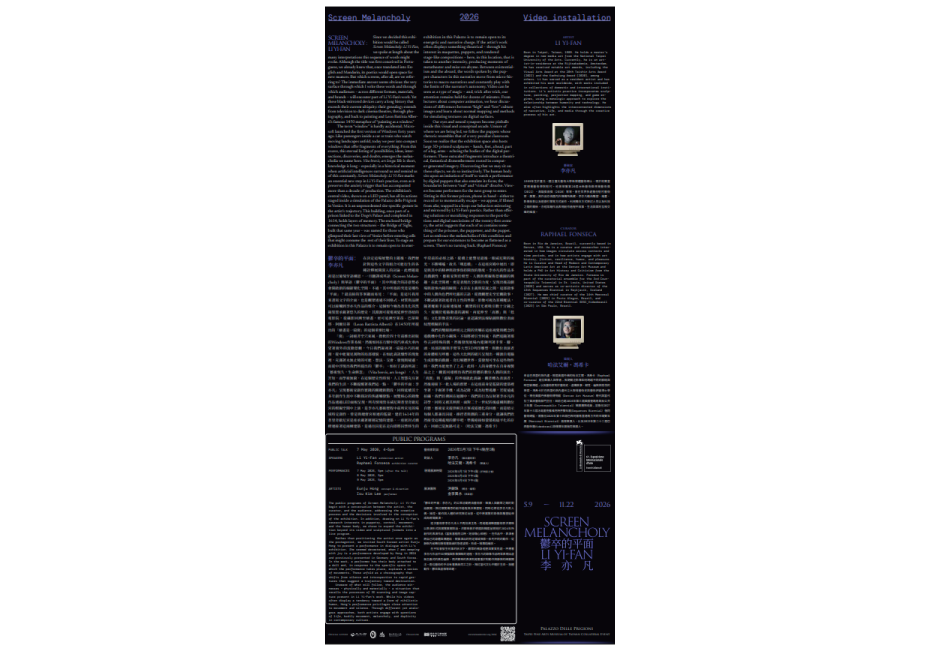
Since we decided this exhibition would be called Screen Melancholy: Li Yi-Fan, we spoke at length about the many interpretations this sequence of words might evoke. Although the title was first conceived in Portuguese, we already knew that, once translated into English and Mandarin, its poetics would open space for new nuances. But which screens, after all, are we referring to? The immediate answer seems obvious: the very surface through which I write these words and through which audiences – across different formats, materials, and brands – will encouter part of Li Yi-Fan’s work. Yet these black-mirrored devices carry a long history that exceeds their current ubiquity: their genealogy extends from television to dark cinema theatres, through photography, and back to painting and Leon Battista Alberti’s famous 1450 metaphor of “painting as a window.”
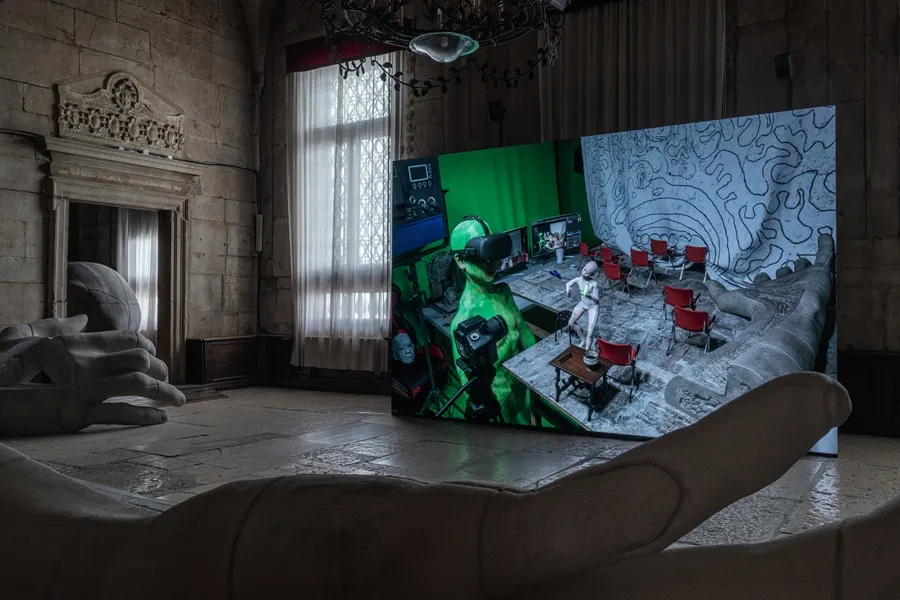
The term “window” is hardly accidental; Microsoft launched the first version of Windows forty years ago. Like passengers inside a car or train who watch moving landscapes unfold, today we peer into compact windows that offer fragments of everything. From this excess, this eternal listing of possibilities, ideas, intersections, discoveries, and doubts, emerges the melancholia we name here. Vita brevis, ars longa: life is short, knowledge long – especially in a historical moment when artificial intelligences surround us and remind us of this constantly. Screen Melancholy: Li Yi-Fan marks an essential new step in Li Yi-Fan’s practice, even as it preserves the anxiety trigger that has accompanied more than a decade of production. The exhibition’s central video, shown on a LED panel, has all its actions staged inside a simulation of the Palazzo delle Prigioni in Venice. It is an unprecedented site-specific gesture in the artist’s trajectory. This building, once part of a prison linked to the Doge’s Palace and completed in 1614, holds layers of memory. The enclosed bridge connecting the two structures – the Bridge of Sighs, built that same year – was named for those who glimpsed their last view of Venice before entering cells that might consume the rest of their lives. To stage an exhibition in this Palazzo is to remain open to its enerexhibition in this Palazzo is to remain open to its energetic and narrative charge. If the artist’s work often displays something theatrical – through his interest in maquettes, puppets, and rendered stage-like compositions – here, in this location, that is taken to another intensity, producing moments of metatheater and mise-en-abyme. Between existentialism and the absurd, the words spoken by the puppet- characters in this narrative move from micro-histories to macro-narratives and constantly play with the limits of the narrator's autonomy. Video can be seen as a type of magic – and, trick after trick, our attention remains held for dozens of minutes. From lectures about computer animation, we hear discussions of differences between “high” and “low” culture images and learn about normal mapping and methods for simulating textures on digital surfaces.
Our eyes and neural synapses become pinballs inside this visual and conceptual arcade. Unsure of where we are being led, we follow the puppets whose rhetoric resembles that of a very peculiar classroom. Soon we realize that the exhibition space also hosts large 3D-printed sculptures – hands, feet, a head, part of a leg, arms – echoing the bodies of the digital performers. These outscaled fragments introduce a theatrical, fantastical dismemberment rooted in computer-generated imagery. Discovering that we may sit on these objects, we do so instinctively. The human body sits upon an imitation of itself to watch a performance by digital puppets that also emulate its form; the boundaries between “real” and “virtual” dissolve. Viewers become performers for the next group to enter. Sitting in this former prison, phone in hand – either to record or to momentarily escape – we appear, if filmed from afar, trapped in a loop: our behaviors mirroring and mirrored by Li Yi-Fan’s poetics. Rather than offering solutions or moralizing responses to the post-fictions and digital narcissisms of the twenty-first century, the artist suggests that each of us contains something of the prisoner, the puppeteer, and the puppet. Let us embrace the melancholia of this condition and prepare for our existences to become as flattened as a screen. There’s no turning back. (Raphael Fonseca)
Screen Melancholy is my third work using game engines for image creation. It explores the complex, layered relationship between individuals and “images” in the visual-first generation. This relationship encompasses how people receive and create images. Through the character in the video, I encourage viewers to “learn how to make animation!” As a cautionary warning, it suggests that understanding how images are produced is essential to grasp the power mechanism behind them. Ironically, these profound truths about images are expressed through the very medium of images. While the philosophical-sounding statements are delivered with such sincerity, the character comes across as rather mischievous. The obscure knowledge in the work resembles that of Wikipedia or content farms, leaving viewers unsure where to place their gaze. This feels like a private game between me and the audience. Through the screen, I make them laugh while also evoking fear or anger. These emotions force the plane to decompress and, in the viewer’s mind, transform into a world of its own. They are invited into this world but are also intermittently excluded, constantly reminded of a truth: images are like magic. Behind this magic, however, lies something far more complex than sorcery.
In 2021, I began working with game engines. My initial question was rather simple: whether real-time rendering and the custom development tools provided by game engines could make animation production more improvisational and spontaneous. I developed a system that used performance as a method for creating images, which led me to rethink and reexamine the human relationship with image-making tools. These tools are never neutral, and their evolution is shaped by specific contexts across different historical periods and social conditions. In my work, I break down the structure of image technologies within a technological context, not for disenchantment, but through understanding, to safely appreciate their allure. I explore the technical gaps in these tools and search for spaces where they conflict with personal emotions. I then guide viewers to reflect through dark humor and self-mockery, even though these reflections often return to states of ambiguity or frustration.
After completing What Is Your Favorite Primitive in 2023, significant shifts occurred in the contemporary landscape of image-making technologies, with machine learning-powered generative AI introducing a seemingly new approach. The boundary between the virtual and the real in images has become increasingly blurred. Perhaps the core issue is no longer about truth or falsity, but about the underlying power dynamics that drive production. This new work, Screen Melancholy, starts with traditional image technologies, attempting to trace the presence of new methods within the logic of older ones. It prompts reflection on how past concepts, such as models, masks, keyframes, and noise, were originally created and how they subtly influence new technologies. These technical origins emerged from highly rational developmental contexts, yet they have implicitly shaped our emotional responses. The work features multiple narrative levels – my narration as the artist, the character’s voice-over, and the animation being made by this character. The narrative content sometimes appears as distinct layers and at other times merges indistinguishably. The Palazzo delle Prigioni is transformed into a dynamic stage, and the character seems caught in a cycle there, telling the story of an “eyeball” trying to find its way home. This is combined with tutorial-style videos and, at the same time, infused with desire and fear. To me, these emotions respond to the millennial relationship with technology. Image-making is a deeply personal exploration and a meta-reflection rooted in my life experiences. Images were once a vital window to the world. Now that we realize this window is just a flat plane, how should we respond?